
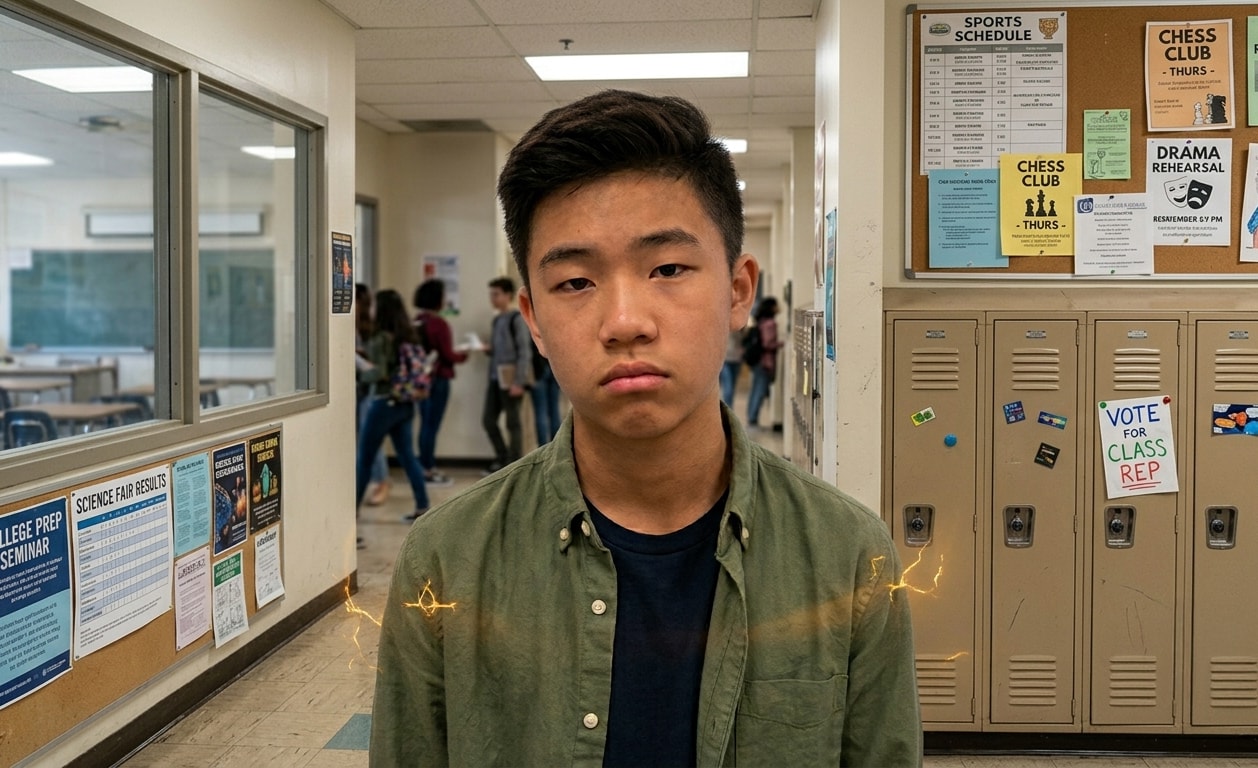
Burnout used to be an adult word. We talked about it for overworked doctors, exhausted parents, and people grinding through impossible jobs. Now it belongs to teenagers too, and a lot of parents are watching it happen without a name for what they are seeing. The straight-A student who suddenly cannot get out of bed. The athlete who loses all love for the sport. The kid who used to care about everything and now seems to care about nothing. That is not laziness. Very often, it is teen burnout.
Burnout is what happens when stress runs too high for too long without enough recovery. In teenagers it is easy to miss, because the signs look a lot like ordinary teenage attitude. But burnout is real, it is rising, and left unaddressed it can slide into anxiety and depression. Here is how to recognize it, what is driving it, and how to help your teen refill a tank that has run dry.
This is the most important thing to understand, because getting it wrong makes everything worse. Burnout looks like withdrawal, procrastination, and a kind of flat “I don’t care” energy. To a tired parent, that reads as laziness, and the natural response is to push harder. More structure, more consequences, more “just try.”
But burnout is the opposite of a motivation problem. It is an exhaustion problem. A burned-out teen often cares deeply and has been trying hard for a long time, and their system has simply hit empty. Pushing a burned-out kid is like revving an engine that is out of fuel. It does not produce more effort. It produces more damage.
The three classic signs of burnout, first identified in adults but just as visible in teens, are exhaustion that rest does not fix, growing cynicism or detachment from things they used to care about, and a creeping sense of ineffectiveness, the feeling that no matter what they do it is never enough. When you see all three together in a teenager, you are almost certainly looking at burnout rather than attitude.
Today’s teenagers are under a kind of pressure their parents often did not face at the same age, and it comes from several directions at once.
Start with school. Academic expectations have climbed, and teens feel it. A Pew Research Center study found that 61 percent of teens feel a lot of pressure to get good grades, more than any other source of pressure in their lives. For many, school is no longer six hours a day. It is homework, test prep, and the constant background hum of grades that feel like they will decide their whole future.
Then add everything stacked on top. Sports, clubs, volunteering, jobs, music, all of it often pursued not just for joy but to build a resume for college. Many teens run a schedule that would exhaust an adult, with no real margin built in. The cultural message, absorbed early, is that rest is laziness and worth is something you earn through constant achievement.
Now add the always-on layer. Thanks to phones, there is no longer a clean end to the school day or the social day. Group chats keep buzzing, assignments live online, and the comparison with peers never switches off. The brain gets no true downtime. Research on stress consistently points to this lack of recovery, not just the presence of stress, as what tips pressure into burnout.
The result shows up in the mental health data. The CDC’s 2023 Youth Risk Behavior Survey found nearly 40 percent of high school students reported persistent feelings of sadness or hopelessness. Burnout is often the on-ramp to those feelings, the stage where a stretched teen starts to break down before anyone has named the problem.
Because burnout hides behind normal teenage behavior, it helps to know the specific patterns. You are looking for change from your teen’s baseline, especially several of these together.
Exhaustion that sleep does not cure. A burned-out teen can sleep ten hours and still wake up drained. The tiredness is mental and emotional, not just physical.
Loss of interest in things they loved. The sport, the instrument, the friends, the hobby that used to light them up now gets a shrug. This emotional flatness is one of the clearest flags.
Slipping performance despite caring. Grades drop, deadlines get missed, and the teen seems unable to make themselves work even when they are anxious about it. The gap between caring and being able to act is the hallmark of burnout, not laziness.
Irritability and detachment. Short temper, cynicism, pulling away from family and friends. Everything feels like too much, so they shut down.
Physical symptoms. Headaches, stomach problems, getting sick more often. Chronic stress takes a physical toll, and teens often feel burnout in their bodies before they can name it.
One or two of these for a few days is just a hard week. Several of them, lasting for weeks, is burnout asking for attention.
Recovery from burnout is not about one big fix. It is about restoring the balance between demand and rest that got lost. Here is where to start.
Teen burnout is partly personal and partly cultural. Your teen is growing up in a world that often measures worth by output and treats constant busyness as a badge of honor. You cannot change that world overnight, but you can be the counterweight inside your own home. You can decide that your family values rest, that a human being is more than their achievements, and that your child is allowed to be tired and still be enough.
The teen running on empty in front of you is not weak and not lazy. They are a young person who has been carrying a heavy load, probably for longer than you realized, and who needs permission to put some of it down. Give them that permission. Help them rest, reconnect, and rebuild. The ambition will come back once the tank is full. What they need first is to be allowed to refill it.